
Blog detail
Common Reasons for Fertilization Failure After ICSI
Navigating the path to parenthood can feel overwhelming when natural conception encounters obstacles. Modern reproductive medicine has transformed what was once thought impossible into clear, achievable pathways. Among the most effective solutions available today, In Vitro Fertilization and Intracytoplasmic Sperm Injection stand out as premier advanced fertility treatments. These treatments provide hope, scientific precision, and high success rates for couples facing complex fertility challenges.
Understanding how these procedures work, how they differ, and when they are combined helps prospective parents make informed decisions about their fertility journey.
Understanding In Vitro Fertilization
In Vitro Fertilization is a foundational assisted reproductive technology where fertilization takes place outside the human body. Under normal conditions, an egg is fertilized inside the woman fallopian tube before traveling to the uterus. In an IVF cycle, this process is facilitated within a specialized embryology laboratory.
The treatment begins with controlled ovarian stimulation, where fertility medications encourage the ovaries to produce multiple mature eggs during a single cycle. Once the eggs reach optimal growth, a minor, minimally invasive procedure is performed under light sedation to retrieve them. In conventional IVF, retrieved eggs are placed in a culture dish alongside tens of thousands of healthy sperm cells, allowing natural fertilization to occur in a controlled environment.
What Makes Intracytoplasmic Sperm Injection Different
While conventional IVF relies on sperm cells independently swimming toward and penetrating the outer layer of the egg, Intracytoplasmic Sperm Injection takes fertilization a step further. Developed as a specialized form of micromanipulation, ICSI bypasses natural barriers entirely.
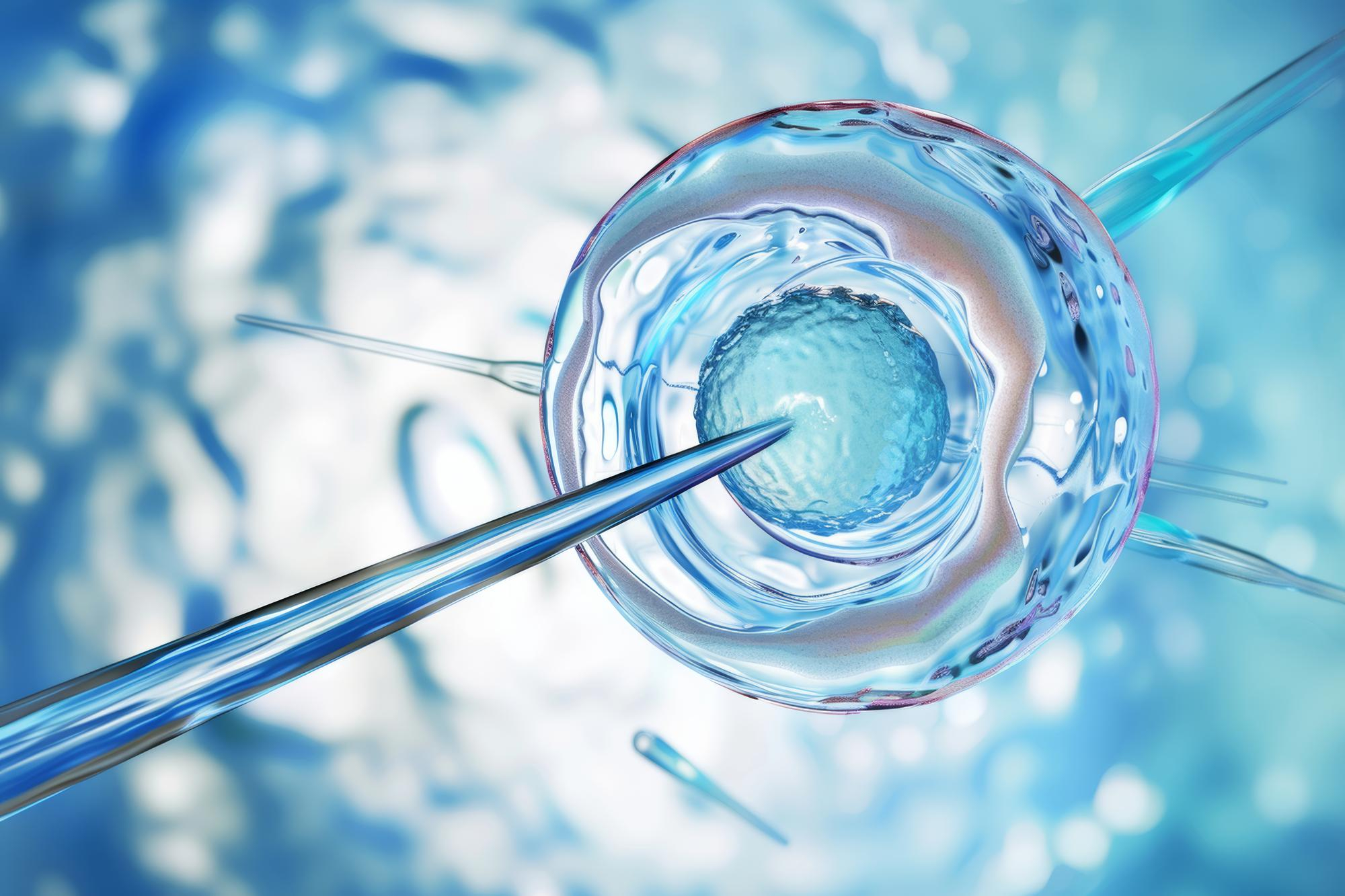
During an ICSI procedure, an embryologist uses high-power microscopic tools to select a single, healthy, structurally normal sperm cell. Using an ultra-fine glass needle, the embryologist directly injects that single sperm into the center cytoplasm of a mature egg. This direct approach eliminates the need for the sperm to break through the outer egg shell on its own, drastically increasing the chances of successful fertilization.
When ICSI Is Recommended Alongside IVF
Combining IVF with ICSI provides targeted solutions for specific reproductive challenges. While conventional IVF is often sufficient for clear female factor conditions, adding ICSI becomes essential in several distinct clinical scenarios.
Overcoming Severe Male Factor Infertility
The primary indication for ICSI is male factor infertility. When semen analysis reveals extremely low sperm count, weak motility, or abnormal sperm morphology, natural penetration during conventional IVF becomes unlikely. ICSI ensures that even if a man produces only a handful of viable sperm, a successful fertilization attempt is entirely possible.
Resolving Unexplained Infertility and Past IVF Failures
For some couples, standard fertility tests show normal parameters, yet conception remains elusive. In cases of unexplained infertility or cycles where conventional IVF yielded low fertilization rates, ICSI removes diagnostic guesswork by placing the sperm directly where it needs to be, optimizing fertilization potential.
Supporting Advanced Gamete Quality and Genetic Screening
ICSI is routinely utilized when working with frozen sperm or frozen eggs, as thawed gametes often possess hardened outer layers that impede natural sperm penetration. Furthermore, when couples opt for Preimplantation Genetic Testing to screen embryos for inherited conditions, ICSI is required to prevent stray sperm cells from interfering with genetic testing accuracy.
The Complete Step-by-Step Treatment Journey
Undergoing a combined IVF and ICSI cycle follows a structured clinical pathway designed to maximize safety and embryonic health.
Step One: Ovarian Stimulation and Egg Retrieval
The journey begins with custom medication protocols designed to grow multiple follicles. Hormone levels and follicle sizes are monitored closely through blood work and pelvic ultrasounds. Once eggs are fully mature, an egg retrieval procedure is scheduled.
Step Two: Sperm Selection and Micro-Injection
Simultaneously, a semen sample is collected and processed in the laboratory using advanced preparation techniques like density gradient centrifugation or microfluidic sorting to isolate the most active, genetically sound sperm. The embryologist then performs ICSI on each mature egg under high magnification.
Step Three: Embryo Culture and Monitoring
Over the next three to five days, fertilized eggs develop into multi-cellular embryos inside sophisticated incubators. Embryologists monitor cell division, structural symmetry, and overall progression to identify the healthiest embryos.
Step Four: Embryo Transfer and Cryopreservation
Once the embryos reach the optimal blastocyst stage, one or two selected high-quality embryos are gently transferred into the patient uterus. Any remaining top-grade embryos are safely frozen using vitrification techniques for future family-building attempts.
Post-Transfer Care and Success Factors
Following the embryo transfer, a short waiting period begins before a quantitative blood test confirms pregnancy. Adhering strictly to prescribed progesterone support and maintaining balanced lifestyle habits during this window supports optimal uterine lining receptivity. Success rates depend on various factors including maternal age, ovarian reserve, uterine health, and embryo grade.
Expert Fertility Care with Dr. Abdul Basith
Achieving your dream of starting a family requires compassionate guidance paired with clinical excellence. Dr. Abdul Basith S.F. is a leading Infertility Specialist and Reproductive Medicine Consultant in Chennai, holding credentials including MD, MRCOG (UK), and a Post-Doctoral Fellowship in Reproductive Medicine. Specializing in advanced IVF-ICSI protocols, male factor care, and personalized fertility management, Dr. Basith provides individualized treatment plans designed to deliver high success rates. Reach out to Dr. Abdul Basith today to book your consultation and take the next confident step on your fertility journey.