
Our Treatments
PICSI & ZyMot for IVF: Advanced Sperm Selection
PICSI and ZyMot are sperm-selection approaches that may be considered during assisted reproduction. PICSI uses sperm binding to hyaluronan as part of selection before intracytoplasmic sperm injection (ICSI), while ZyMot uses a microfluidic device to separate motile sperm. Neither method is necessary for every IVF cycle, and evidence that either consistently improves the chance of a live birth remains limited. The right approach depends on the couple’s fertility assessment, previous treatment history and the plan recommended by the fertility specialist.
What Are PICSI and ZyMot?
PICSI, or physiological intracytoplasmic sperm injection, is a laboratory technique that helps embryologists select sperm that bind to hyaluronan, a substance naturally present around the egg. ZyMot is a microfluidic sperm-selection system that allows motile sperm to move through a specialised device and be collected for use in assisted reproduction. Both methods aim to refine sperm selection, but they use different principles and do not replace the fertilisation procedure itself.
PICSI & ZyMot Treatment with Dr. Abdul Basith
Dr. Abdul Basith holds an MD in Obstetrics and Gynaecology, MRCOG (UK) and PD-FRM, with more than 13 years of experience in women’s health and fertility care. Decisions about sperm selection are best made within a broader assessment of both partners, rather than from a single semen parameter or test result. This includes reviewing semen analysis, relevant medical history, previous IVF or ICSI outcomes and other factors that may influence the treatment plan. The aim is to explain the available options clearly and determine whether an additional sperm-selection method has a reasonable role in the individual case.
How Does PICSI Work?
Sperm sample preparation
A semen sample is prepared in the embryology laboratory so that sperm can be assessed for selection. The laboratory team follows the clinic’s established procedures for handling and preparing the sample.
Sperm selection using hyaluronan
In PICSI, the prepared sperm are placed in a dish containing hyaluronan. Some sperm bind to this substance, while others do not. Hyaluronan binding is associated with aspects of sperm maturity, but it is not a complete measure of sperm health or a guarantee of successful fertilisation.
Selection of suitable sperm
The embryologist identifies sperm that have bound to hyaluronan and assesses them under the microscope. A suitable sperm is selected for the next stage of treatment.
Sperm used for ICSI
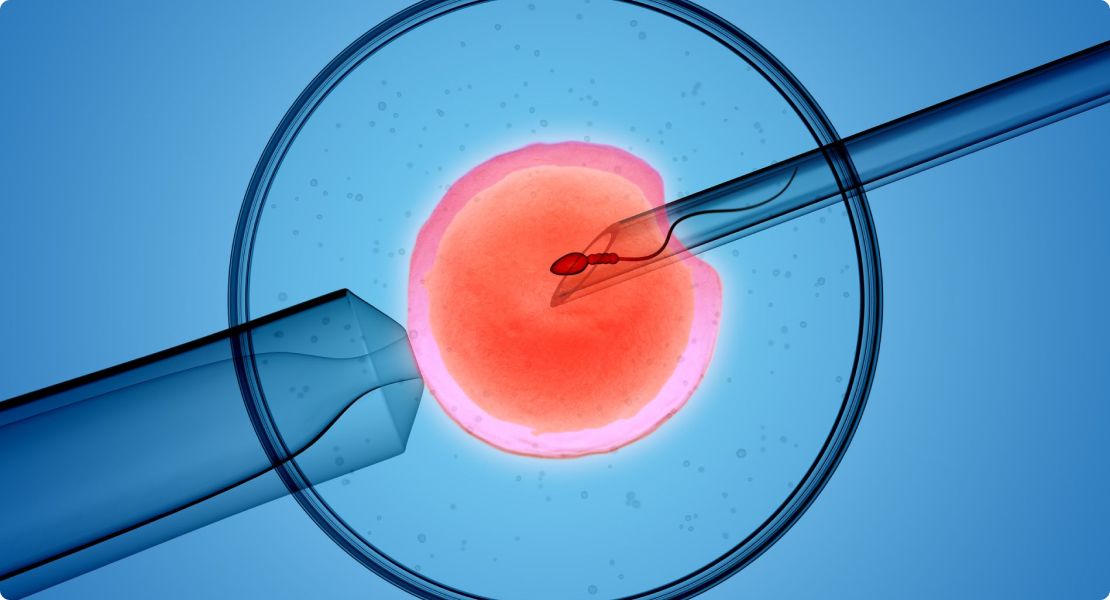
The selected sperm is then injected directly into an egg using ICSI. PICSI is therefore a selection step that may precede ICSI, not a separate fertilisation method. Whether it is appropriate depends on the clinical context and the evidence available for the specific situation.
What Is PICSI IVF?
The term PICSI IVF usually refers to an IVF cycle in which PICSI is used to select sperm before ICSI. In conventional IVF, sperm are placed with eggs and fertilisation occurs without direct injection of a single sperm. In ICSI, an embryologist injects one selected sperm into an egg. PICSI can be used as an additional selection step in an ICSI cycle, but it does not replace ICSI or the wider IVF process. Its use should be discussed as an individual treatment decision, including its limitations and any additional cost.
How Does ZyMot Work?
ZyMot uses a microfluidic device designed to separate motile sperm from a prepared semen sample. The sample is loaded into the device according to the laboratory protocol. Motile sperm move through microscopic channels or pores into a collection area, where the laboratory team retrieves them for use in assisted reproduction, commonly ICSI. Unlike some conventional sperm-preparation methods, microfluidic selection can reduce the need for centrifugation during that selection step. Research has reported differences in laboratory measures such as sperm DNA fragmentation and embryo development, but findings on pregnancy and live-birth outcomes are not yet consistent enough to promise better results for every patient.
PICSI vs ZyMot: How Are They Different?
| Feature | PICSI | ZyMot |
|---|---|---|
| Selection principle | Sperm binding to hyaluronan | Movement through a microfluidic device |
| Main focus | Selects sperm that bind to hyaluronan | Separates motile sperm using the device’s microfluidic design |
| Place in treatment | May be used before ICSI | Selected sperm may be used for ICSI, as appropriate |
| What it assesses | Binding behaviour under laboratory conditions | Ability of sperm to move through the device under laboratory conditions |
| Suitability | Depends on the full fertility assessment | Depends on the sample and laboratory judgement |
PICSI and ZyMot are not interchangeable, and neither is automatically better for every case. They use different approaches to sperm selection. The fertility team can explain whether either method is relevant to the couple’s circumstances and what is known about its potential benefits and limitations.
PICSI vs ICSI: Understanding the Difference
| Feature | PICSI | ICSI |
|---|---|---|
| What it is | A sperm-selection technique | A fertilisation technique |
| Main purpose | Helps identify sperm that bind to hyaluronan | Injects one selected sperm directly into an egg |
| Role in treatment | May be used before ICSI | Used to achieve fertilisation in an ICSI cycle |
The simplest distinction is that PICSI concerns sperm selection, while ICSI is the procedure in which a sperm is injected into an egg. PICSI may form part of an ICSI cycle, but ICSI can also be performed without PICSI.
Sperm Selection for IVF and ICSI
Before IVF or ICSI, the embryology team prepares and assesses the semen sample using methods suited to the sample and treatment plan. Sperm may be assessed for movement and appearance, among other laboratory characteristics. In ICSI, the embryologist selects an individual sperm for injection. Techniques such as PICSI or microfluidic selection with ZyMot may be considered in selected circumstances, but the best method depends on the laboratory protocol and the couple’s clinical picture. Read more about IVF & ICSI treatment when reviewing the available assisted-reproduction options.
When May PICSI or ZyMot Be Considered?
A fertility specialist may discuss additional sperm-selection methods when there are male-factor fertility concerns, previous difficulties with fertilisation, or a history of unsuccessful IVF or ICSI treatment. Low sperm count and motility can affect the overall treatment plan, although these findings alone do not mean that PICSI or ZyMot is necessary or suitable. The decision also depends on the quality and availability of the sample, the woman’s fertility factors, previous laboratory outcomes and the evidence for the proposed technique in that situation. A previous unsuccessful cycle does not, by itself, establish that a different sperm-selection method will improve the next outcome.
PICSI, ZyMot and Sperm DNA Fragmentation
Sperm DNA fragmentation refers to damage or breaks in the genetic material carried by sperm. It is one aspect of sperm quality, and its significance depends on the clinical context and the test used. Some studies of microfluidic sperm selection have reported lower DNA fragmentation in the sperm fraction collected, but this does not prove that ZyMot will improve pregnancy or live-birth outcomes for every couple. PICSI selects sperm based on hyaluronan binding; it is not a direct test or treatment for sperm DNA fragmentation. Neither technique should be presented as a guaranteed solution for a high fragmentation result. Where relevant, the specialist can explain whether further assessment is useful and how the result should influence treatment planning.
Is PICSI or ZyMot Right for You?
The choice should follow an assessment of both partners and the available treatment information. The fertility team may consider semen analysis, sperm count, motility and morphology, previous IVF or ICSI history, fertilisation and embryo-development outcomes, and other relevant fertility factors. Not every abnormal semen result calls for an add-on, and a more advanced laboratory technique does not automatically translate into a higher chance of having a baby. Ask what benefit is expected in your particular case, how strong the supporting evidence is, whether there are limitations, and what additional costs may apply.
FAQ’s
-
They may be discussed after reviewing what happened in the earlier cycle, including fertilisation, embryo development and semen findings. A previous unsuccessful cycle does not establish that sperm selection was the cause, and neither technique can guarantee a better outcome.
-
Age is one factor in fertility assessment, but the decision should not be based on age alone. The specialist will consider both partners’ circumstances, previous treatment results and whether there is a clear rationale for using an additional selection method.
-
Availability depends on the fertility centre’s laboratory facilities, protocols and clinical judgement. They are additional sperm-selection approaches, not essential steps in every IVF or ICSI cycle.
-
Not necessarily. Semen analysis and previous treatment records may provide important information, while further testing is considered only when it is likely to help guide care. The specialist can explain which tests, if any, are relevant.
-
The finding should be interpreted in context, including the test used and the couple’s history. ZyMot has been studied for its effect on DNA fragmentation in the selected sample, but better clinical outcomes are not assured. PICSI selects sperm by hyaluronan binding and is not a direct treatment for DNA fragmentation.
-
Suitability depends on the laboratory method, sample characteristics and the specific device or protocol. The embryology team should confirm whether the method can be used with the available frozen-thawed sample.
-
These methods add a sperm-selection step in the laboratory. The wider IVF plan, including ovarian stimulation, egg retrieval, fertilisation, embryo culture and transfer when appropriate, is determined separately. Your clinic can explain any practical differences for your cycle.
-
The decision is based on the full fertility assessment, semen findings, previous treatment outcomes, laboratory considerations and the evidence for the method being discussed. The specialist should explain why a particular option is being considered and what it can and cannot be expected to achieve.
Book a Consultation for PICSI & ZyMot in Chennai
If you are exploring sperm-selection options as part of fertility treatment, a consultation with Dr. Abdul Basith can help you review your semen analysis, previous treatment history and available approaches. PICSI and ZyMot may be discussed where appropriate, with attention to potential benefits, limitations and costs. The aim is to make an informed decision based on your individual circumstances rather than assuming that an additional technique is necessary for every cycle.