
Our Treatments
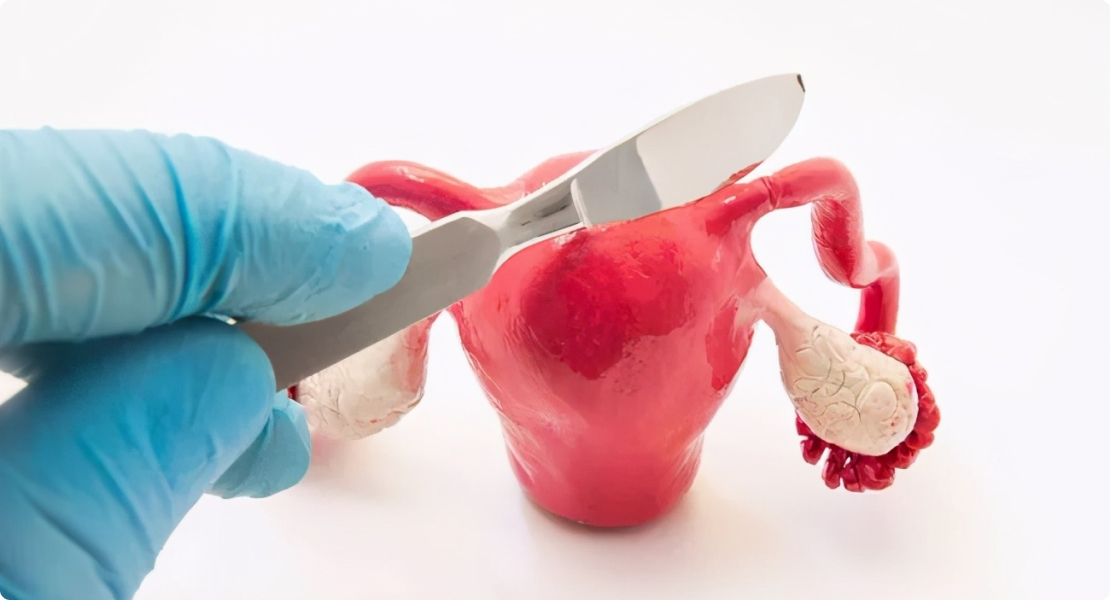
Laparoscopic Salpingectomy for Tube-Related Conditions
Laparoscopic salpingectomy is a minimally invasive surgical procedure used to remove one or both fallopian tubes. This procedure is typically performed in cases of ectopic pregnancy, hydrosalpinx (blocked fallopian tubes), or as a preventive measure for women at high risk of ovarian or fallopian tube cancer. Dr. Abdul Basith holds an MD in Obstetrics and Gynaecology, MRCOG (UK) and PD-FRM, with more than 13 years of experience in women’s health and fertility care. Surgical interventions involving the fallopian tubes are planned based on diagnostic findings, patient symptoms, and reproductive goals.
During the procedure, small incisions are made in the abdomen, and a laparoscope (a thin tube with a camera) is used to guide the surgery. The fallopian tubes are carefully detached from the uterus and surrounding tissues, and then removed through the small incisions. This minimally invasive approach ensures that there is minimal scarring and a quicker recovery.
Laparoscopic salpingectomy is commonly performed for women with ectopic pregnancies, where a fertilised egg implants outside the uterus, typically in the fallopian tube. It can also be part of a fertility treatment plan for women with hydrosalpinx, a condition where fluid-filled tubes can reduce the success rates of in vitro fertilisation (IVF). In some cases, it may also be recommended for women at high genetic risk of ovarian cancer as a preventive measure.
Laparoscopic salpingectomy is a safe and effective option for treating a range of conditions affecting the fallopian tubes, with the benefits of reduced pain, shorter hospital stays, and faster recovery.