
Blog detail
Sperm Freezing: When and Why Men Should Consider It
A man in his early thirties once walked into a fertility clinic with a simple request. He wanted to freeze his sperm even though he had no medical issues and wasn’t planning a family soon. When asked why, he said something that reflects a growing trend: “Everything around me is uncertain. At least this part of my life shouldn’t be.”
He is not alone. Data published in recent global reviews shows that sperm counts have fallen sharply over the last few decades. Some reports suggest almost a half-level decline since the 1980s. This drop has pushed many men to think about fertility much earlier than the previous generation ever did. It isn’t fear that drives them. It is awareness.
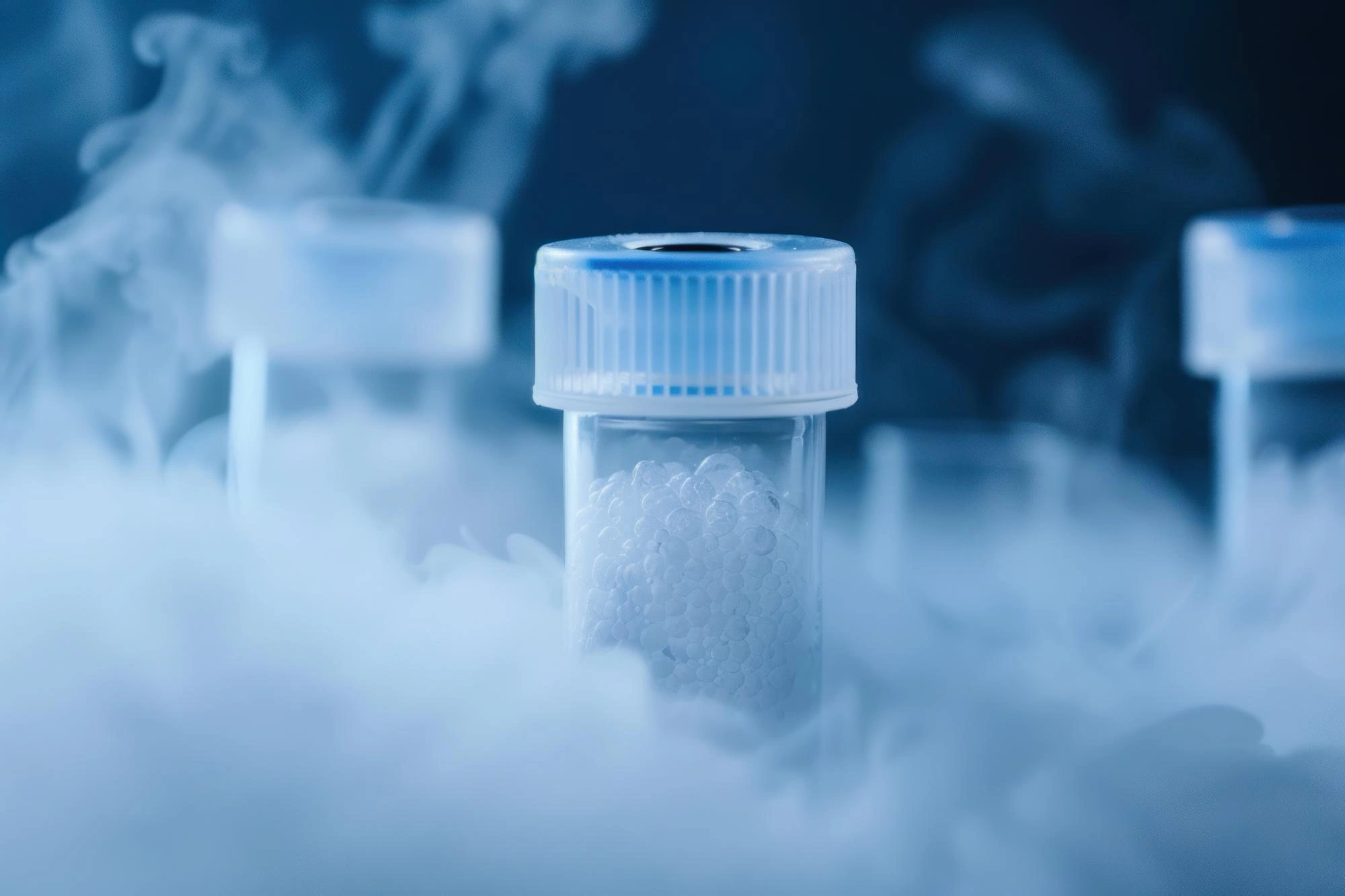
Sperm freezing, at its core, is simply preservation. The sperm is collected, examined, prepared, and stored in extremely cold conditions so the cells stay healthy for years. What makes this valuable is the stability it offers. A man may feel perfectly healthy today, but that doesn’t guarantee the same quality ten or fifteen years later. Age, work patterns, lifestyle stress, and environmental exposure all influence sperm health, often without showing any warning signs.
Medical treatments are one of the clearest reasons men opt for freezing. Chemotherapy and radiation can affect the cells that produce sperm. Certain surgeries, especially those involving the testicles or prostate, carry similar risks. Doctors routinely advise men to store sperm before these procedures so they have an option for biological parenthood later.
There are quieter reasons too. Long working hours, heat exposure, frequent travel, inconsistent sleep, or heavy training schedules may slowly alter sperm quality. Men in fields that involve chemicals, radiation, or high temperatures sometimes freeze sperm just to avoid future regret. Even unexplained infertility in couples brings this discussion into focus. When tests look normal but pregnancy doesn’t happen, frozen sperm allows smoother planning during assisted treatments.
Another shift happening today is in how men think about family planning. Many want to settle their careers or finances before becoming fathers. They don’t want age or declining sperm parameters to limit their choices later. Freezing sperm gives them a sense of timing they can control, especially since the preserved sample keeps the same quality it had on the day it was frozen.
What surprises most men is how simple the procedure actually is. The emotional relief after freezing is often stronger than the physical process itself. It feels like securing a part of their future, whether or not they end up needing it.
If you are unsure whether sperm freezing is right for you, a conversation with a specialist can give you clarity. Decisions like this don’t need guesswork or rushed choices.
You can speak with Dr. Abdul Basith for a private evaluation and understand how sperm preservation fits into your long-term fertility plans. His clinic offers clear guidance, supportive care, and a calm space to make informed decisions about your reproductive future.