
Blog detail
Why You Aren't Conceiving Despite Healthy Egg and Sperm: The Overlooked Role of the Lab Environment
When a couples fertility test results come back with positive news, a sigh of relief usually follows. The semen analysis shows excellent sperm count and motility. The ovarian reserve markers and ultrasound scans confirm strong, high quality egg production.
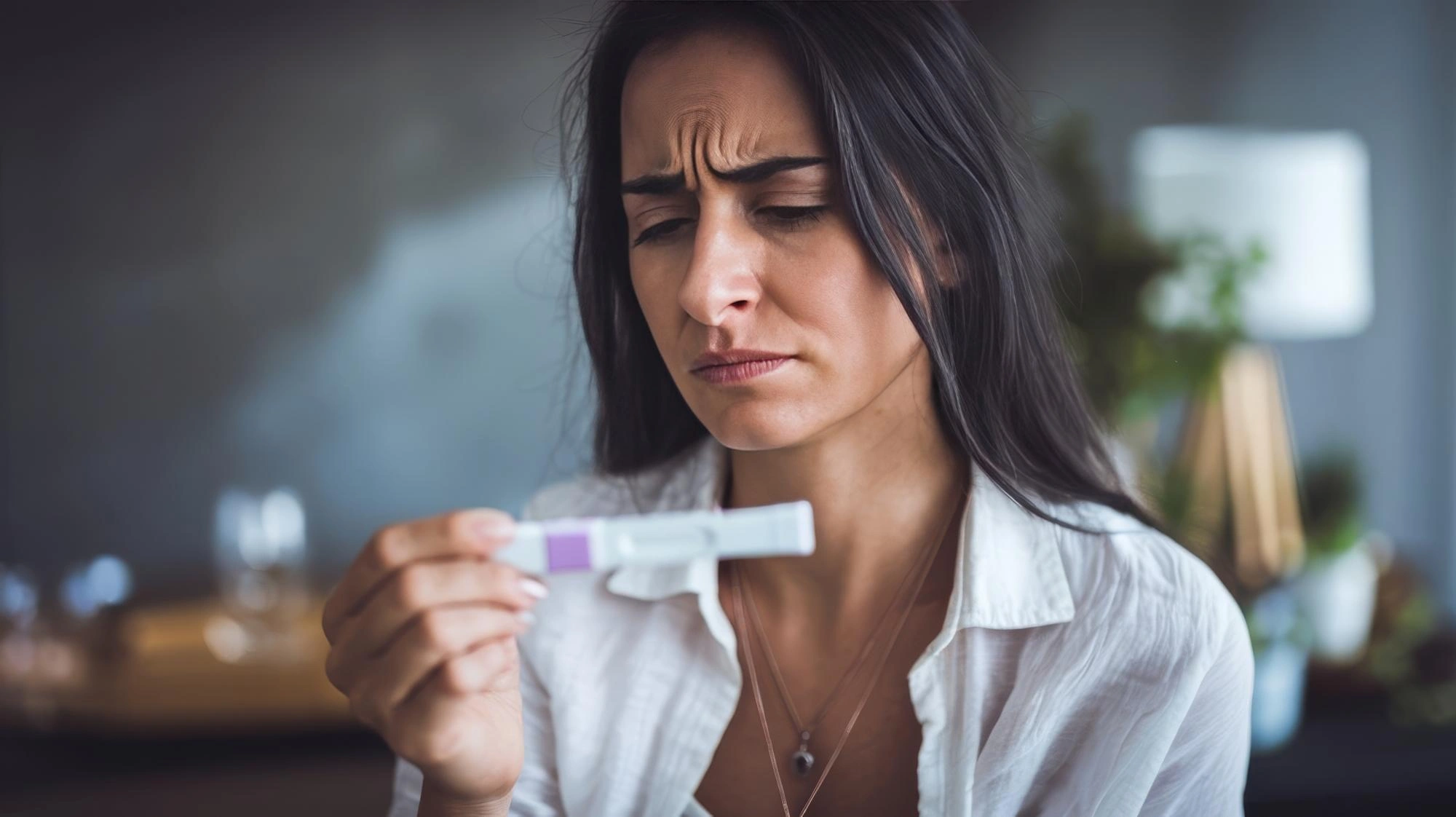
Yet, month after month, the pregnancy test remains stubbornly negative. Even more confusingly, some couples undergo an In Vitro Fertilization cycle where top grade eggs and sperm are placed together, only for the embryos to mysteriously stop growing before they can be transferred.
When healthy ingredients do not yield a successful pregnancy, the natural instinct is to assume something is deeply wrong with the patients biology. However, as fertility specialists frequently observe, human reproduction requires more than just the right genetic material, it requires the perfect environment.
When fertilization happens outside the human body in a clinic, the embryology laboratory becomes the temporary womb. If that laboratory environment falls short by even a fraction of a degree, embryo development can stall completely, regardless of how healthy the egg and sperm were at the start.
The Invisible Hazards: Critical Lab Environmental Factors
To successfully cultivate a fertilized egg into a healthy blastocyst, which is a day five embryo, an embryology lab must perfectly mimic the internal conditions of the maternal reproductive tract. The margin for error is incredibly thin. Human embryos do not have an immune system or the ability to regulate their own temperature, making them completely vulnerable to their surroundings.
The Impact of Air Quality and Volatile Organic Compounds
Embryos are profoundly sensitive to microscopic airborne pollutants. Everyday contaminants known as Volatile Organic Compounds, which can travel through standard ventilation systems from perfumes, cleaning solutions, or outdoor traffic exhaust, are highly toxic to developing cells. High quality fertility clinics must utilize specialized heavy duty carbon and HEPA filtration systems to scrub the air pure, ensuring these invisible toxins never enter the cultivation zones.
Temperature and Gas Consistency
Human embryos thrive at exactly 37 degrees Celsius. Even a brief fluctuation in temperature during routine handling under a microscope can cause thermal shock, halting cellular division permanently.
Furthermore, the incubators must maintain precise, low oxygen concentrations to replicate the natural environment of the fallopian tubes. If the carbon dioxide or oxygen levels drift out of balance, the pH level of the nutrient liquid changes, creating a highly stressful environment for the embryo.
Separating Patient Biology from Laboratory Variables
How do reproductive specialists determine if a failure to conceive or grow embryos stems from an intrinsic patient factor or a hidden problem in the laboratory? Medical teams utilize a strict quality assurance protocol known as sibling culture analysis to isolate the variable.
Simultaneous Cultivation
Embryos from multiple distinct couples are placed inside the exact same incubator batch and grown using the same nutrient solutions.
Tracking Group Outcomes
The laboratory team carefully monitors the daily fertilization and growth rates across all the different patient samples processed during that exact time window.
Isolating Patient Factors
If nine out of ten couples achieve healthy embryo growth, but one couple's embryos stop dividing, it strongly points to an intrinsic patient issue. This could mean hidden genetic abnormalities within the egg or sperm that are not visible under a standard microscope.
Identifying Systemic IssuesIdentifying Systemic Issues
Conversely, if every single patient sample processed during that specific week experiences a sudden decline or arrest in growth, it alerts the clinic to a systemic laboratory issue. This could be a calibrated drift in the incubator sensors or a subtle anomaly in a newly opened batch of nutrient media.
The Clinical Metrics That Matter: Lab KPIs
To prevent environmental variations from impacting a couples chances of success, advanced fertility centers treat the embryology lab like a high security cleanroom asset. The laboratory must consistently monitor strict Key Performance Indicators to maintain peak performance.
The most critical metric is the blastocyst conversion rate, which measures the exact percentage of fertilized eggs that successfully develop into robust day five embryos. A world class laboratory continuously audits these numbers, alongside daily physical calibrations of gas lines and temperature zones, ensuring that the temporary home of the embryo is completely stable.
Optimizing Your Fertility Journey with Dr. Abdul Basith
Experiencing unexplained fertility setbacks despite healthy diagnostic reports can be frustrating, but evaluating the laboratory standard is a crucial step forward.
As an experienced robotic surgeon and fertility specialist, Dr. Abdul Basith combines advanced surgical interventions for structural concerns with strict oversight on embryology lab quality control. Our practice is dedicated to analyzing every variable, ensuring your genetic material is given the absolute best environment to thrive. Connect with our clinical team today to review your previous cycles and build a precise, data driven strategy for a successful pregnancy.