
Blog detail
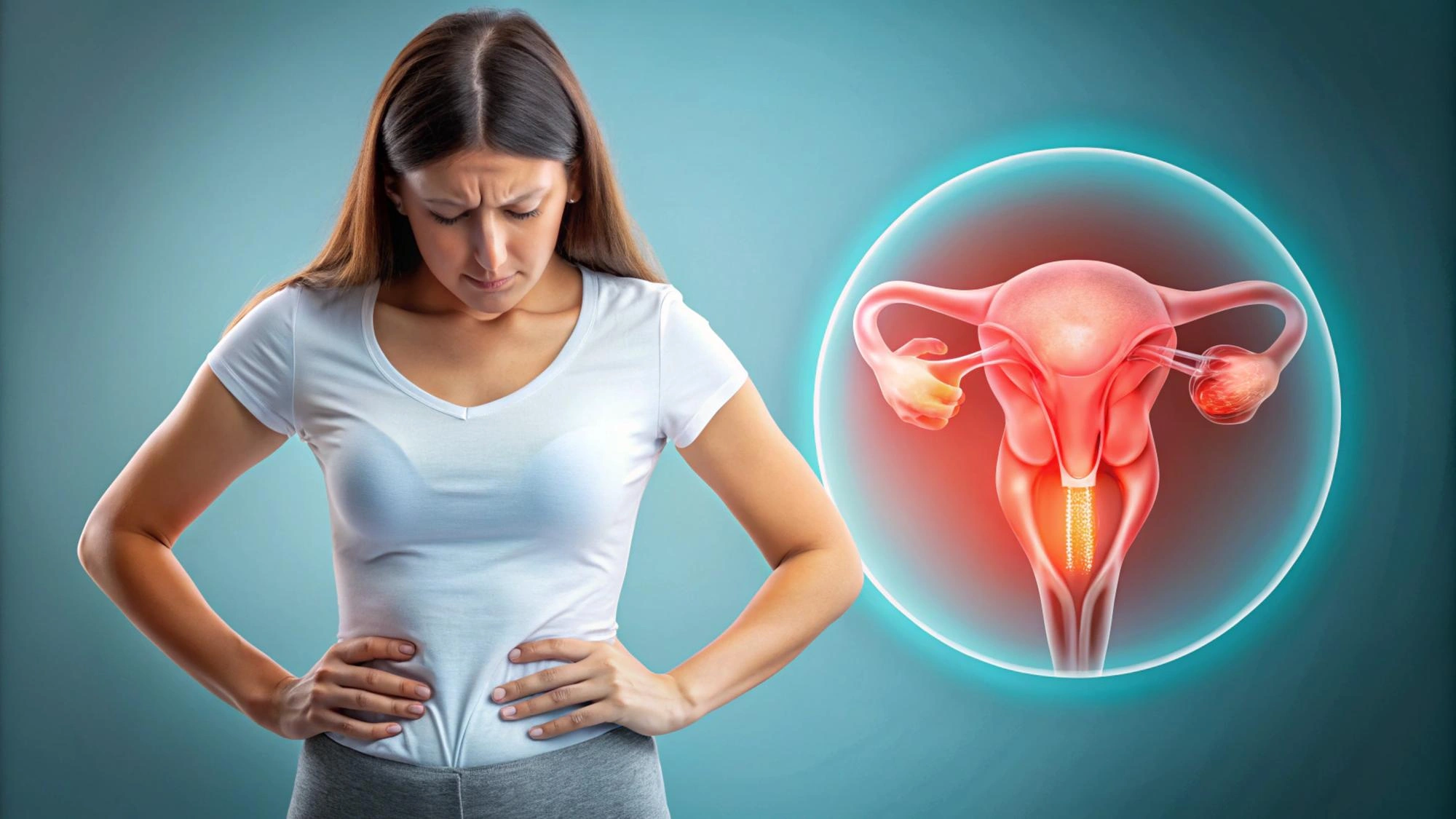
PCOS Myths vs. Facts: What Every Woman Should Know
A few months ago, a 27-year-old walked into the clinic with a folder full of online screenshots. She had been reading everything the internet said about PCOS from weight gain to infertility to strict diet rules. The more she read, the more confused she became. Almost every article told a different story. When her reports confirmed PCOS, her first question was simple: “Does this mean something is wrong with me for life?”
That moment captures what many women experience today. PCOS is extremely common yet surrounded by fear and misinformation. Studies have shown that one in five Indian women may have PCOS. Despite this, most learn about it through random social media posts or hearsay. It creates unnecessary panic and makes women feel like their bodies are failing, when the truth is very different.
One of the biggest myths is that PCOS only affects “overweight” women. That belief keeps many women with lean PCOS undiagnosed for years. PCOS doesn’t belong to one body type. It is a hormonal imbalance that behaves differently in each person. Some face irregular cycles, some notice acne or hair fall, and others don’t see any obvious symptoms at all. Weight may influence PCOS, but it is not the cause.
Another common belief is that PCOS means a woman cannot get pregnant. This is one of the most damaging myths. PCOS can make ovulation irregular, but with proper guidance and timely treatment, most women conceive without difficulty. Many women with PCOS have healthy, full-term pregnancies. What matters is early evaluation and a treatment plan tailored to the body’s needs, not the one-size-fits-all advice often found online.
There is also confusion about food. Some believe they must completely avoid rice, fruits, dairy, or carbs. Others turn to extreme diets or supplements. In reality, PCOS doesn’t require punishment or restriction. The body responds well to balanced meals, steady activity, and consistent routines. Crash diets often make symptoms worse. When women understand what triggers their symptoms, they regain control with far less stress.
Hormonal medicines also carry a cloud of misconceptions. Many worry that taking medication will “spoil” their hormones forever. In truth, these medicines are often temporary and used to regulate cycles, reduce symptoms, or support ovulation. The goal is not lifelong medication but restoring balance. Every treatment plan depends on age, symptoms, goals, and overall health not just the diagnosis.
PCOS can feel overwhelming when the picture is filled with myths. But when women understand the condition clearly, the fear drops. PCOS is manageable. With the right care, the right lifestyle rhythm, and early attention to symptoms, women can lead completely healthy lives.
If you have symptoms that worry you or feel unsure about what you’ve been reading online, you don’t need to navigate it alone. Dr. Abdul Basith provides a calm, clear, and practical approach to PCOS care, helping women understand their bodies without fear or confusion. His guidance focuses on long-term well-being, not quick fixes.