
Blog detail
What Is Immotile Sperm? Causes, Diagnosis, and Treatment
Navigating the journey toward parenthood can bring unexpected questions, especially when routine tests reveal unforeseen challenges. During a fertility evaluation, a semen analysis provides detailed insights into male reproductive health. One critical parameter measured is sperm motility, which refers to how well sperm cells move. When a report indicates the presence of immotile sperm, understanding what this means, why it happens, and how modern medicine addresses it is the first step toward finding a clear path forward.
Defining Immotile Sperm and Asthenozoospermia
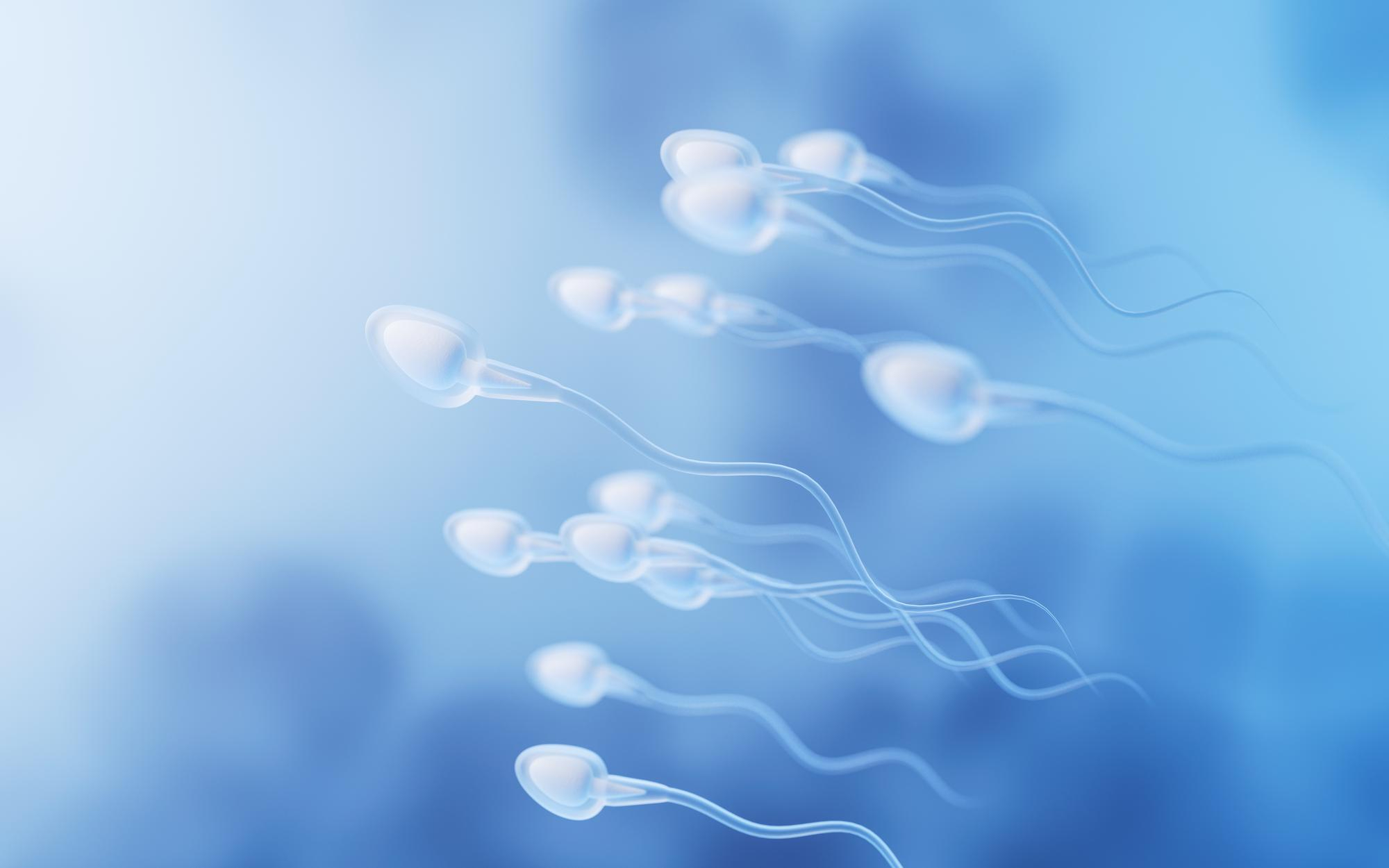
Sperm motility is the capacity of sperm cells to propel themselves forward through the female reproductive tract to reach and fertilize an egg. According to World Health Organization standards, a healthy semen sample should contain at least forty percent motile sperm, with a significant portion showing progressive, direct forward movement.
When a sample shows a complete lack of movement, the condition is medically termed total asthenozoospermia, or total immotile sperm. Without motility, sperm cells cannot naturally navigate the cervix, uterus, and fallopian tubes. However, immotility under a microscopic view does not automatically mean the sperm cells are unviable or non-living. Establishing whether immotile sperm are alive or dead is a fundamental distinction that guides diagnostic steps and treatment plans.
Immotile Sperm versus Non-Viable Sperm
A common misconception is that a non-moving sperm cell is a dead cell. While dead sperm cells cannot move, living sperm cells can also remain motionless due to structural, genetic, or environmental factors.
To distinguish between living stationary sperm and dead sperm, fertility laboratories perform a sperm vitality test. Using specialized dyes or membrane-reactivity tests, embryologists assess whether the outer cellular membrane of the sperm is intact. Identifying living immotile sperm opens up effective options for assisted reproduction, whereas high rates of cell death, known as necrozoospermia, require investigating root environmental or biological causes.
Primary Causes of Immotile Sperm
The factors leading to immotile sperm range from genetic structural variations to treatable lifestyle and health conditions.
Genetic and Flagellar Structural Defects
The tail of a sperm cell, known as the flagellum, contains complex microscopic machinery that generates whipping motions to propel the cell forward. Genetic conditions such as Primary Ciliary Dyskinesia or Kartagener Syndrome disrupt the internal structure of cilia and flagella throughout the body. Men with these conditions produce sperm that are living and genetically complete, but physically incapable of movement due to missing or defective structural proteins in the tail.
Infections and Inflammatory Stress
Infections within the male reproductive tract, including prostatitis, epididymitis, or sexually transmitted infections, draw white blood cells into the seminal fluid. This immune response triggers localized inflammation and elevates reactive oxygen species. High levels of oxidative stress damage sperm cell membranes, severely reducing movement or leading to premature cell death before ejaculation.
Varicoceles and Temperature Disruption
A varicocele is an enlargement of the veins within the scrotum, similar to varicose veins in the legs. This condition impairs proper blood drainage, causing blood to pool and raising the temperature inside the testicles. Because healthy sperm development requires temperatures slightly lower than normal body temperature, elevated testicular heat impairs sperm maturation, leading to reduced motility and compromised overall semen parameters.
Environmental and Lifestyle Influences
External factors significantly impact sperm health and motility. Chronic exposure to environmental toxins, heavy metals, industrial chemicals, high heat environments, or radiation can alter sperm development. Furthermore, habits such as smoking, heavy alcohol consumption, anabolic steroid use, poor nutritional intake, and prolonged psychological stress negatively influence sperm quality and movement.
Comprehensive Diagnostic Workup
Accurately diagnosing the cause of immotile sperm involves a systematic series of evaluations conducted by a fertility specialist.
Standard Semen Analysis and Vitality Testing
The diagnostic process begins with a formal semen analysis to measure volume, concentration, shape, and movement. If total immotility is observed, vitality testing is immediately performed to quantify the percentage of living versus non-living sperm in the sample.
Specialized Hormonal and Genetic Evaluations
Blood tests assessing key reproductive hormones, including testosterone, follicle-stimulating hormone, and luteinizing hormone, provide insight into testicular function. When structural tail defects or hereditary conditions are suspected, genetic screenings and high-magnification electron microscopy help identify specific cellular abnormalities.
Ultrasound and Microbiological Screening
A scrotal ultrasound allows specialists to check for physical abnormalities such as varicoceles, ductal obstructions, or testicular tissue changes. Additionally, urine and semen cultures help identify underlying bacterial infections or inflammatory conditions that require medical treatment.
Treatment Approaches and Fertility Solutions
Overcoming challenges associated with immotile sperm depends on the underlying cause identified during the diagnostic phase.
Medical Treatments and Lifestyle Modifications
When immotility stems from infections or hormonal imbalances, targeted antibiotic therapies or hormone regulation treatments can help restore natural motility over time. Lifestyle adjustments, including adopting a nutrient-dense diet, reducing oxidative stress through physician-guided antioxidant supplementation, avoiding excessive heat exposure, and eliminating nicotine or alcohol, support healthier sperm development.
Advanced Assisted Reproductive Technology
For individuals with persistent immotility or unresolvable structural tail defects, advanced assisted reproductive techniques offer highly effective pathways to achieving pregnancy.
Intracytoplasmic Sperm Injection, performed alongside In Vitro Fertilization, has revolutionized male fertility care. During an ICSI procedure, an embryologist isolates a single viable sperm cell and injects it directly into the center of a mature egg. Because the sperm is placed directly inside the egg, natural swimming ability is not required for successful fertilization.
In cases where ejaculated samples show high rates of cell death, micro-surgical techniques such as Testicular Sperm Aspiration or Extraction can harvest fresh, living sperm directly from the testicular tissue for use in an ICSI cycle.
Targeted Medical Guidance with Dr. Abdul Basith
Understanding a diagnosis of immotile sperm requires clear clinical evaluation and individualized reproductive care. Dr. Abdul Basith S.F. is a highly credentialed Infertility Specialist and Reproductive Medicine Consultant in Chennai, holding advanced qualifications including MD, MRCOG (UK), and a Post-Doctoral Fellowship in Reproductive Medicine. Specializing in male factor fertility management, advanced ICSI procedures, and comprehensive diagnostic evaluations, Dr. Basith provides evidence-based care tailored to each couple unique needs. Schedule a consultation with Dr. Abdul Basith today to review your diagnostic options and explore effective pathways toward building your family.